


- Kusakari Shrine
Kusakari Shrine
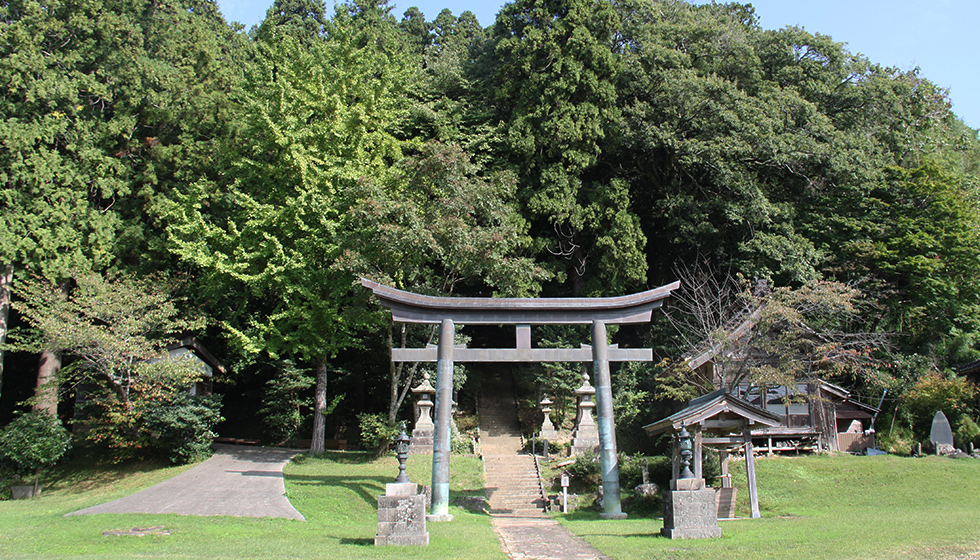
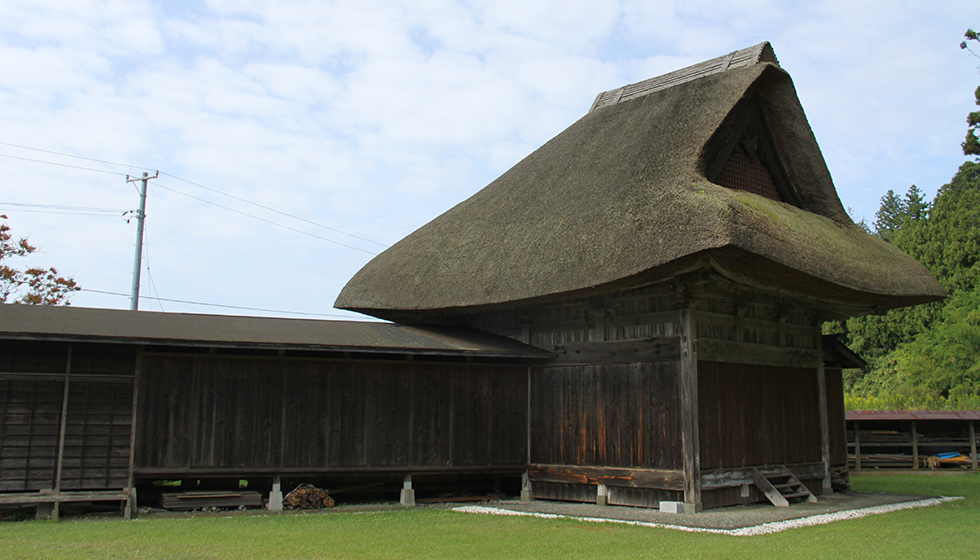
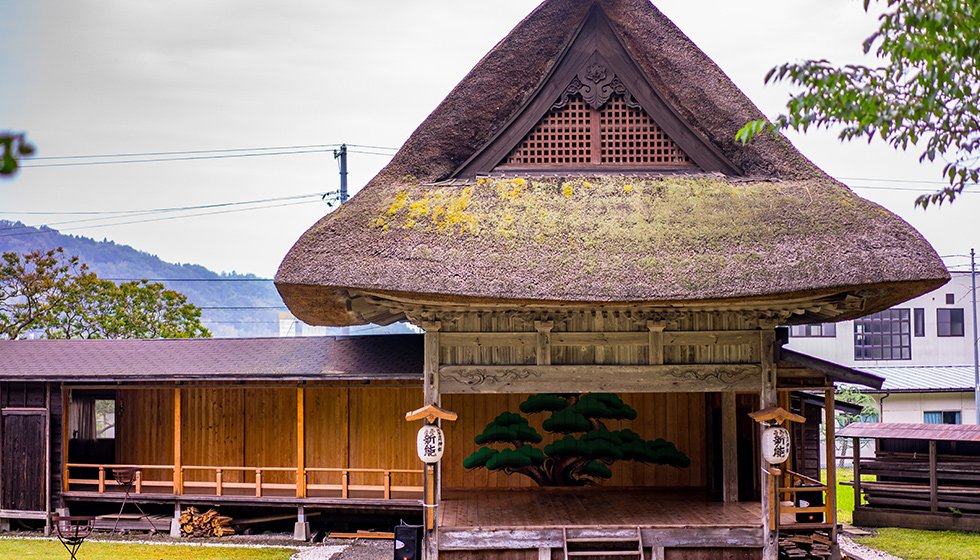
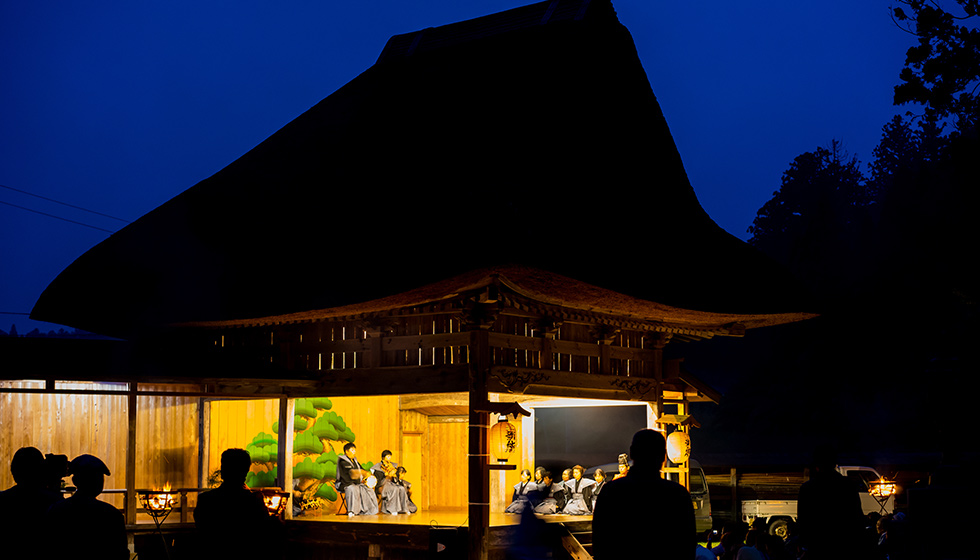
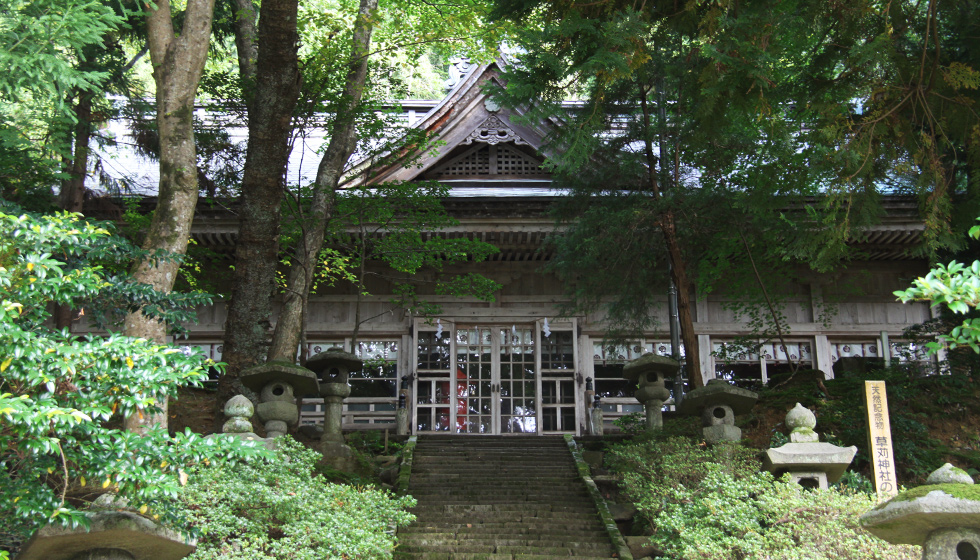
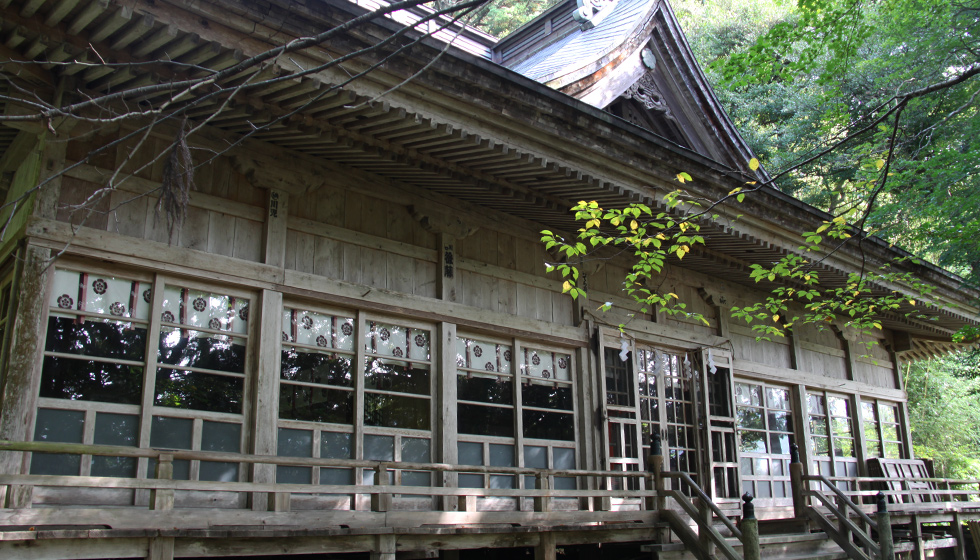
A guardian shrine in the Kusakari village which is home to various performing arts
Impressive stone light towers stand along the front path leading to the worship hall. Kusakari Shrine was called "Hachioji Gozutenno" around the middle of the Edo Period (early 19th century), and worshipped as a god of agriculture. It was later called Gion Hamochi Shrine for a time, and then renamed after the old name of the village "Kusakari no Sato," in 1870. Kusakari Shrine is known for offerings of bonfire Noh performances, and a kind of kagura (dance and music dedicated to gods) called "Onimai Tsuburosashi," (designated a Niigata Prefecture Intangible Folk Cultural Asset) performed at Hamochi Festival held annually on the 15th of June. The Noh stage (also one of Niigata Prefecture's Designated Tangible Folk Cultural Assets), which is considered to have been built before the Meiji Period, has a hip-and-gable thatched roof in front and a hipped roof at the back. The structure blends well with the idyllic landscape, whilst projecting a stately ambience.
Facility Basic Information
- Address
- 1698 Hamochi Hongo, Sado, Niigata 952-0504
- For inquiries
- 0259-88-2489
- Transport Access
- Ogi Port Approx 10 minutes by car
- Nearest bus stop
- Hamochi Hongou (Ogi Line) Approx. 5 minutes on foot from bus stop
- Parking
- 2
Nearby Spots
-
 Shrines and Buddhist Temples
Dairenji Temple
Dairenji Temple is a temple of the Soto Zen school of Buddhism established in 1421 as a temple to take care of ancestors of the Honma clan, Lords of Hamochi Castle. The sanmon main gate is the east gate of the castle (Niigata Prefecture's Historic Site), which survived destruction in a siege by Kagekatsu Uesugi (lord of Echigo), and was later relocated. This temple served as accommodations for successive Deputies for Sado and officials in the Edo Period (1603-1867). Within the precinct, there are the 500 Arhats Hall, created by a sculptor of Buddha statues in the Edo Period; Kannondo Hall, enshrining a secret Buddhist icon, Maria-Kannon (Mary statue in Kannon disguise); and Hotei (god of good fortune) Hall worshipped for wealth and happiness. Mahori Hogan Yoshitaka, a master painter, donated his painting, entitled "Amazawa Hoteison." Dairenji Temple is one of the temples on Sado's Seven Gods of Fortune pilgrimage route. Referred to as a temple of camellia flowers, Dairenji Temple is familiar to locals,
-
 Shrines and Buddhist Temples
Watatsu Shrine
Watatsu Shrine is dedicated to Isotakeru, a god of Japanese Shinto, and it is worshipped by islanders as a god of traffic safety. This is one of the nine shrines listed on the shrine register of Engishiki (Regulations of the Engi era), and a high class shrine called Ichinomiya. It is said that its precinct, old documents, etc. were flooded out in 1470 and as a result the shrine was relocated to where it stands now. Its origin and history is not clearly known. Watatsu Shrine is a famous spot for the first shrine visit of the New Year, and many islanders visit there from all around Sado.
-
 Plants
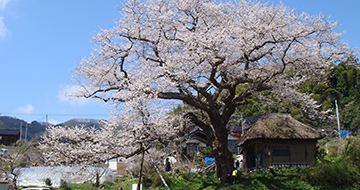
Cherry Tree of Hojobo
The cherry tree of Hojobo sits in Hamochi Osaki, a place known for the Osaki Soba (buckwheat noodles) Festival. Branches stretch out as if they are cuddling up to the thatched roof house on the site where Hojobo Temple used to be. The tree is said to be 250–260 years old, measuring 21 meters tall and 6.9 meters in circumference at its base. The crown stretches 26 meters both east-to-west and north-to-south. The tree marks the timeline of farmwork, and locals affectionately call it "Hojobo's sowing cherry."
-
 Ryokan (Japanese-style Inn)
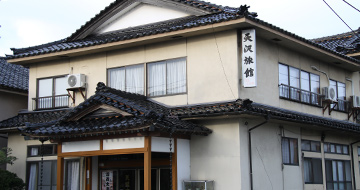
Amazawa Ryokan
Amazawa Ryokan is a long-established Japanese-style inn in Hamochi Ohashi, established in the early Showa Period (early 20th century). With a family atmosphere, Amazawa Ryokan often welcomes regular visits of anglers. Meals are made from local seafood, home-grown vegetables from the Okami female manager's parents' place, Sado-grown Koshihikari rice harvested in the mountains, and other local delicacies. Discover the reason for the popularity of this simple home cooking.
Stores where you can eat and drink nearby
-
 Casual Eatery Izakaya (Japanese-style pub) Grilled Skewers/Yakitori/Chargrill Chinese Ramen Noodles
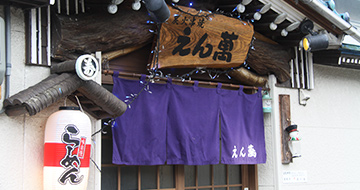
Chargrilled Skewers Enman
The Enman restaurant specialises in chargrilled skewers, expressing their passion and determination towards handmade dishes. Using the brand-name chicken "Koshi no Tori" sourced from Niigata, the chef threads the chicken onto skewers one by one. Grilled at a high temperature over charcoal, the skewers are flavourful and taste excellent even when cold, making them a popular takeaway meal. Their Chinese ramen noodles are served with housemade chicken bone broth. Enman also serves à la carte dishes and chef's choice menus.
-
 Casual Eatery Soba (buckwheat) and Udon Noodles
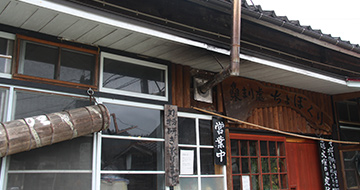
Chobokuri
In Hamochi, "Osaki Soba no Kai" takes place several times a year, where you can enjoy local specialty dishes and hand-kneaded soba (buckwheat noodles), as well as traditional performing arts, attracting many fans throughout Japan. Chobokuri was opened in 2007 by the organising group of Osaki Soba no Kai. Here you can have a simple, but delightful treat of soba noodles made from 100% stone-ground buckwheat all year round. Seeking soba noodles soaked in flying fish based broth, soba lovers visit Chobokuri both from within and beyond Sado. The interior of a quaint Japanese-style house is also a highlight of Chobokuri. The restaurant's name derives from a traditional performing art in the Osaki area, which is performed at Osaki Soba no Kai.
-
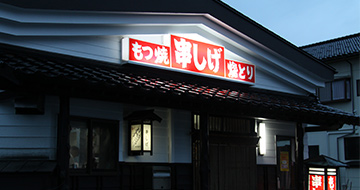 Casual Eatery Izakaya (Japanese-style pub) Grilled Skewers/Yakitori/Chargrill Unagi (eel)
Kushishige
Kushishige is a yakitori (grilled chicken skewers) restaurant nestled on a seaside street with a sea breeze. All skewers are grilled over fastidiously selected, yet traditional, high-quality Bincho charcoal. The chicken skewers have a deep flavour, and are finished with a homemade special sauce which is topped up daily. Every evening, Kushishige is crowded with local regulars who seek out delicious yakitori offered at reasonable prices. In summer, the menu expands to offer Kanto-style grilled and basted unagi (eel cut open in its back, steamed first and grilled), finished with a special unagi sauce.
-
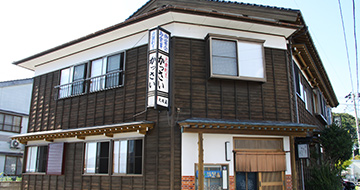 Casual Eatery Kappo Japanese Fine Cuisine at a counter Fish Dishes Set menus/Rice bowls/Kamameshi(hot pot rice)
Taishukappo Kassai
Kassai is situated in the seaside area dotted with eateries and accommodations, a 5 minute-walk away from Ogi Port Sado Kisen's Ferry Terminal. This restaurant, run by a family and the gentle Okami female manager, has a home-like soothing atmosphere. Among the treats on offer are rice bowls topped with seafood and set meals with sashimi made with plenty of local fish from Ogi. Kassai is the locals' favourite, as a place where you can enjoy the seasonal fish to your satisfaction.