




PICK UP
Overview of Sado Island
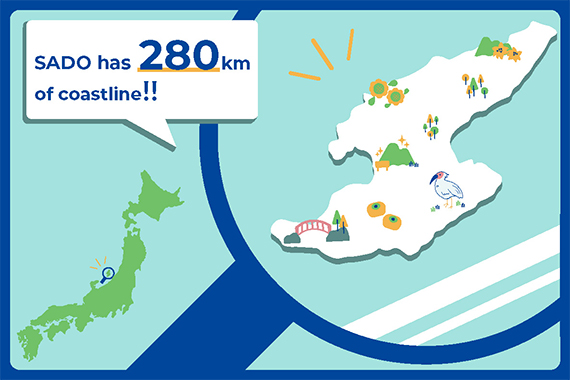
Welcome to Sado Island, a hidden gem nestled in the sparkling waters of the Sea of Japan, off the coast of Niigata Prefecture. Sado is the sixth-largest island in Japan – if you walked along its 280km coastline, you’d be walking for nearly three days to complete a loop. Indeed, Sado is bigger than you might imagine, and it has a lot to explore. Renowned for its rich culture, breathtaking landscapes, fresh local cuisine, and historical significance, a visit to Sado invites you to embark on an unforgettable adventure.
What's new
-

2026.04.06
Kayak & Paddleboard Sado Island
Experience Sado's Clear Emerald Waters from on board a Kayak or Paddleboard!It's the season for marine sports on Sado Island and time for fun in the sea kayaking, paddleboarding, diving, and swimming! Here is a run down of all the great places to kayak and paddleboard around the island, whether you are a seasoned paddler or complete beginner, visiting on your own or with your friends or family - a kayak experience is a great way to make memories during your visit and see the island in a new way.You can go for kayak / paddleboard tours on four main areas of the island: Lake Kamo (Ryotsu), Mano Bay (Sawada), the Blue Grotto at Ogi and Mushizaki Beach.Note that most experiences require reservations 3 days in advance from your visit.Lake KamoKayak or Paddleboard on the largest lake in Niigata Prefecture! This tour will take you around this picturesque lake, one of the most scenic spots on Sado Island. Originally, this lake was freshwater, but it was opened to the sea during the Meiji Period (1868-1912) in order to prevent flooding, and became a brackish lake. Choose between a daytime paddle (morning/afternoon), sunset, or a night kayak - this experience is held in the evening, so you can enjoy the the seafloor lit up under your kayak!・Day Kayak/SUP Tour on Lake Kamo・Sunset Kayak/SUP Tour on Lake Kamo・Night Kayak Tour on Lake KamoMano Bay (Sawada)Sea Kayak or SUP at Sado's Sawata Beach. Nestled in Mano Bay, the beach is shallow and the waters are calm. Sawata is conveniently located in the central area of Sado with an easy access to other parts in Sado. You'll find plenty of restaurants, convenience stores and accommodatons nearby. This is an especially popular spot for families with children, since the water is very shallow and the waves are calm. You can also take photos at the popular 'Ameya Pier.'・Day Sea Kayak/SUP at Sawada Beach・Sunset Sea Kayak/SUP at Sawada Beach・Night Kayak at Sawada BeachOgi Launching from Ogi Diving center, located in the historic port town of Ogi. Your guide will take you along the rugged coastline, navigating through a narrow sea cave and discovering a hidden beach inaccessible by land. The crystal-clear waters reveal a vibrant marine life. Whether you're a novice or an experienced kayaker, Ogi offers an unforgettable journey through some of Sado Island's most stunning and secluded spots.・Sea Kayak Sado's Blue Grotto - OgiMushizakiLocated just a 30-minute drive from Ryotsu Port, Mushizaki Beach is renowned for its stunningly clear waters. Hop into a sea kayak and glide through tropical-looking waters that will completely change your perception of the Sea of Japan. Enjoy a guided tour of the Sado Sea and enjoy its hidden charms along the way—with small group size ensuring you can soak in the scenery at your own pace. After the kayak tour, we recommend exploring the northern tip of the island to find scenic spots like Oonogame and Futatsugame. Snorkeling and combo experiences with hiking in the mountains are also available to choose from!・Sea Kayak / Diving Experience Mushizaki Beach・Sea Kayak / Snorkeling Experience Mushizaki Beach・Sea Kayak / Trekking Experience Mushizaki Beach・Sea Kayak Mushizaki Beach
-
2026.03.30
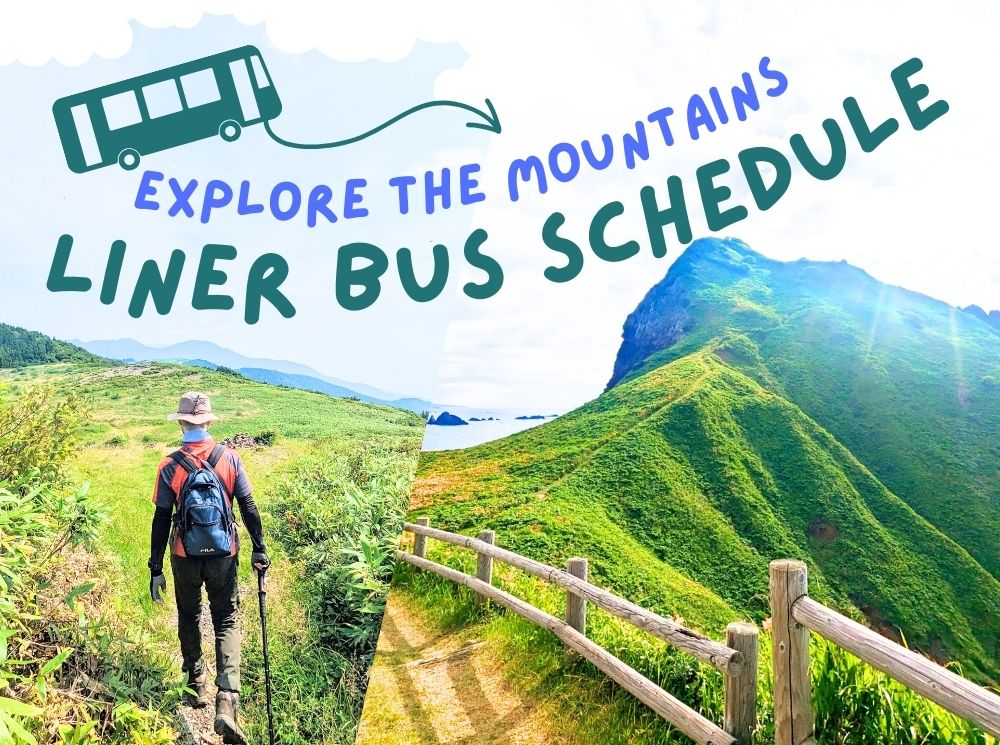
Explore the Mountains with Liner Buses in May/June 2026
Sado Island, a nature lover’s paradise in Niigata Prefecture, offers breathtaking mountain hikes, scenic coastlines, and lush forests. To make your adventures easier in May/June 2026 three special liner buses will be operating—Donden Liner Bus, Mt. Kinpoku Liner Bus, and the Kanzou Liner Bus. These buses provide direct access to Sado’s best trekking spots.Donden Liner Bus – to Hike Mt. Donden or the ridgeline to Mt. KinpokuDonden Liner BusRoute: Ryotsu Port → Aoneba Trekking Trail → Donden Lodge Operating Period: Daily from April 25 (Sat) to May 31 (Sun), 2026Schedule PDF: Niigata Kotsu Donden LinerWhy Take This Bus?- Perfect for exploring Donden Mountain, known for its tranquil forests and well-maintained trails.- Choose to get dropped off at the Aoneba Trekking Trail, a great starting point for hiking Mt. Donden- Or get dropped off at Donden Lodge, where you can prepare to hike the entire ridgeline to Mt. Kinpoku.Mt. Kinpoku Liner Bus (One-Way Only) – For Osado ridgeline hikersKinpoku Liner BusRoute: Hakuundai → Ryotsu Port → Shiizaki OnsenOperating Period: Daily from April 25 (Sat) to May 31 (Sun), 2026Schedule PDF: Niigata Kotsu Kinpoku LinerWhy Take This Bus?- Ideal for hikers tackling the ridgeline from Mt. Donden to Mt. Kinpoku (1,172m), Sado’s highest peak, offering stunning island views.- Ends at Shiizaki Onsen, where you can relax in a hot spring after your adventure.Kanzou Liner Bus – For Onogame Kanzou & Coastal ViewsKanzou Liner Bus Route: Ryotsu → Futatsugame → OnogameOperating Period: May 23 (Sat), May 24 (Sun), May 30 (Sat), May 31 (Sun), June 6 (Sat), June 7 (Sun), 2026Schedule PDF: Niigata Kotsu Kanzou LinerWhy Take This Bus?- Connects you to Futatsugame and Onogame, two of Sado’s most famous coastal rock formations.- Great for photographers and nature lovers—these spots offer dramatic ocean views and the tobishima kanzo flowers in bloom!Bus Reservations and InquiriesPlease Direct all Reservation Requests and Inquiries to: Niigata Kotsu Sado Liner Bus Reservation Center0259-52-3200 (9:30-17:00)Please Note:- Reservations are mandatory for all passengers- If a bus reaches capacity, no additional reservations will be accepted- Passengers without reservations may be denied boarding depending on seat availabilityTips for Travelers- Check the exact departure times - the Kanzou Liner only runs on select weekends.- Bring a camera—the views from Onogame and the Osado ridgeline are spectacular!- Wear comfortable hiking shoes—the trails can be rugged but rewarding.- Combine your hike with a soak at Shiizaki Onsen—a perfect post-hike treat!We strongly recommend booking early to guarantee your spot!
Next season
-

2026.03.18
2026 Noh Theater Schedule
The 2026 Noh Theater Calendar for Sado Island has been announced! Enjoy a Noh Theater show on the beautiful Sado Island. Programs marked are fire-lit Noh Performances.Shuttle Bus Services are available for select performances marked below. For reservations, please contact the Niigata Kotsu Sado Liner Bus Reservation Center. Reception Hours 9:00~17:00 ☎ 0259-52-3200 Please note only Japanese-speaking staff are available. If you cannot speak Japanese, please call with an interpretor. Please note only inquiries in Japanese are accepted.➡ See the full 2026 Noh Theater Schedule Here, including bus details
-
2026.03.01
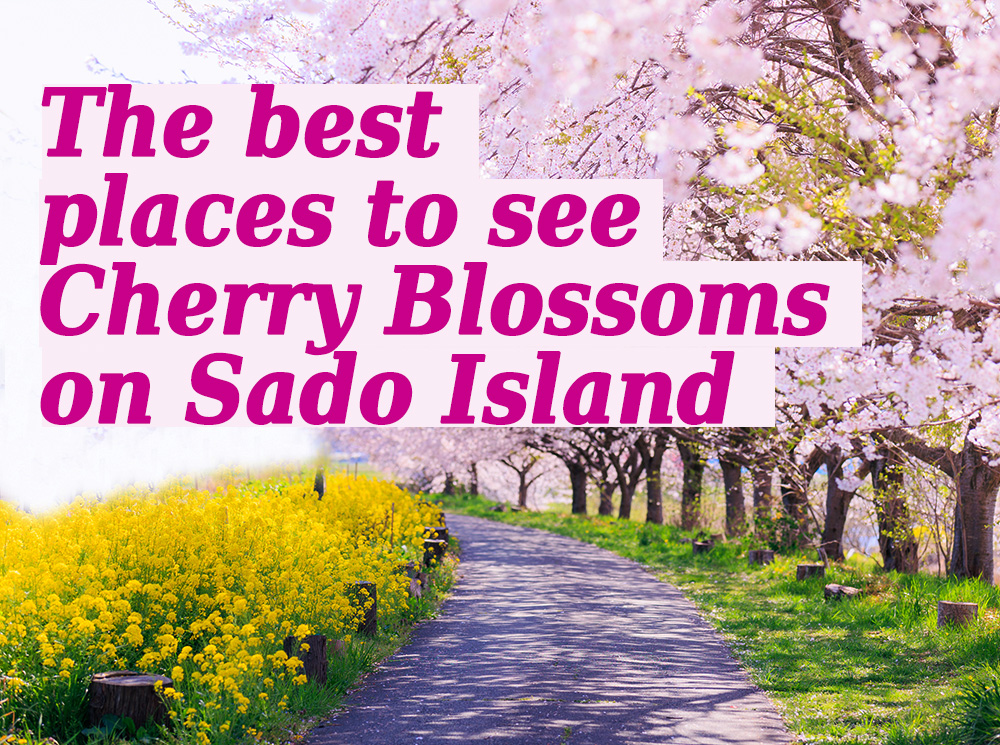
The best places to see Cherry Blossoms on Sado Island
Welcome to Sado Island, a hidden gem in Japans landscape that comes alive with a burst of color every spring. Known for its rich cultural heritage and stunning natural beauty, Sado Island is a great place to escape the tourist crowds of larger cities and enjoy Japans Sakura (cherry blossom) season. There are numerous flower spots scattered around the island that you can explore, so get your camera and a picnic ready! In this blog post, well take you on a virtual tour of some of the best cherry blossom viewing sites on Sado. Spot #1: Sado Gold Mine ParkThis historic site is a very popular place to see cherry blossoms. The road up to the Gold Mine and around the grounds is lined with the trees. The blossoms are also lit up at night during the height of the season. In 2026, the light-up event is planned for April 4th - April 20th, in the evening hours of 19:00 - 21:30. Address: 1305 Shimoaikawa, Sado, Niigata 952-1501By Bus: right in front of Kinzanjaya-mae (main line) Spot #2: Mano ParkMano Park is the perfect place for a picnic, and with about 2000 sakura trees, this is Sado’s premiere cherry blossom viewing spot! You can also visit Mano Shrine, dedicated to Emperor Juntoku. Come visit after sundown, when the trees are illuminated for night-time cherry blossom viewing, known in Japan as yozakura. The light-up at Mano Park in 2026 will be held from April 4, 2026 - April 19, 2026. The Cherry Blossom Festival in 2026 will be held on April 18 (Saturday) from 10:00 - 19:00 and April 19 (Sunday) from 10:00 - 16:00. Enjoy performances, food stalls and more. Address: 655 Mano, Sado, Niigata 952-0313By Bus: 3 minutes walk from Manomiya-mae (Akadomari Line), 20 minutes walk from Mano Goryo Entrance (Ogi Line), and directly in front of the Sado History and Legend Museum stop (Ogi Line - on Saturdays and Sundays only). Spot #3: Niibo DamEnjoy some 1,500 cherry trees spanning around 20 varieties. Niibo dam is definitely one of Sado’s top cherry blossom viewing destinations. In spring, the area bustles with photographers and picnickers coming to enjoy the flowers. Address: 1072-1 Kaminiibo, Sado, Niigata 952-0108By Bus: 30 minute walk from the Ryokomura Uryuya bus stop Spot #4: Shiroyama Park (Ogi)Ogi is the southern gateway to Sado Island, and once prospered as a gold and silver shipping port and port of call for Kitamaebune ships during the Edo period. Shiroyama Park is located on a hill where you will find about 500 cherry trees. It is also where the “Kodo: Earth Celebration” was originally held annually in late August. Address: Ogi, Sado, Niigata 952-0604By Bus: 15 minutes walk from Ogi (Ogi Line) Spot #5: Lake KamoJust a few minutes walk from Ryotsu Port, Lake Kamo is the biggest lake in Niigata Prefecture, and one of the most picturesque spots in Sado, with sections of the promenade lined with cherry trees. A great way to take in the views is by renting an e-bike in Ryotsu from Sado Outdoor Base and cycling around the circumference of the lake. For more details on E-bike Rentals: Outdoor Base For more details on the route: Lake Kamo Course Spot #6: Tanemaki Sakura (Hojobo temple in Hamochi Osaki)This beautiful rosebud cherry tree, the Tanemaki Sakura, is about 20m high and 6.9 meters in circumference at its base, and is estimated to be over 250 years old! Legend has it that the former chief priest of Osaki’s Uenobo Temple retired to Hojobo Temple in his later years, and when he traveled around the country as an ascetic, he bought a cherry seedling in Yoshino and brought it back here. Address: 1167 Hamochi Osaki, Sado, Niigata 952-0252By Bus: 15 minutes walk from Ogi (Ogi Line) Spot #7: Shinbo Hachimangu Shrine Check out the beautiful path up to this shrine lined with cherry blossoms. There is also a festival held here every April 15th where you can see Onidaiko drumming and other traditional arts! Timing your visit with the Taiko Drumming Festival adds an extra layer of cultural richness to your cherry blossom experience. Address: 1109 Kanai Shinbo, Sado, Niigata 952-1208By Bus: 3 minutes walk the Undo Koen Mae bus stop (Honsen Line) Spot #8: Karasaki Shrine (Yoshii) You’ll notice the bright pink cherry blossoms that line the long path up to this small shrine’s gate, visible all the way from the main highway. Take a moment to reflect as you witness the harmonious blend of natural beauty and spiritual tranquility. Address: Yoshiihongo, Sado, Niigata 952-1202By Bus: 3 minutes walk the Yamato bus stop (Honsen Line) ConclusionSado Island's cherry blossom spots are the perfect place for a sensory journey through history, culture, and nature, away from the crowds of the mainland. Whether you're a solo traveler seeking tranquility or a group of friends ready for a picnic party, Sado Island caters to all. So, pack your bags, grab your camera, and explore all the blooming sakura Sado Island has to offer!
Campaign




FUN! SADO
How to enjoy Sado Island
Sado Island is rich in seasonal changes.
In fact, it is about 1.5 times the size of Tokyo's 23 wards and Awaji Island
It is the largest island on the Sea of Japan side.


